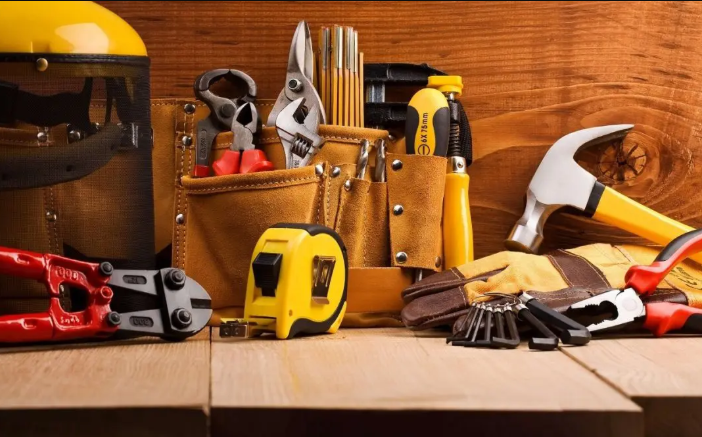
Home improvement projects can pose significant risks if safety measures are overlooked. Essential practices include using personal protective equipment (PPE) and understanding tool usage. Ladder safety also warrants careful attention. Furthermore, awareness of potential hazards can prevent accidents. Proper communication about safety among family members is crucial. These guidelines establish a foundation for a safer DIY environment. However, there are specific strategies and tips that can further enhance safety during home improvement tasks.
Personal Protective Equipment (PPE) Essentials
A comprehensive understanding of Personal Protective Equipment (PPE) is crucial for anyone engaging in home improvement projects.
Proper gloves selection protects hands from cuts and abrasions, while eye protection safeguards against flying debris and harmful particles.
Without these essential measures, individuals risk serious injury, undermining their freedom to undertake DIY projects safely.
Prioritizing PPE ensures a secure and enjoyable home improvement experience.
See also: techjb
Tools and Equipment Safety
Ensuring the safe use of tools and equipment is vital in preventing accidents during home improvement projects.
Proper tool maintenance, such as regular inspections and repairs, enhances safety and performance.
Additionally, effective equipment storage prevents unauthorized access and minimizes hazards.
Homeowners should prioritize these practices to foster a safe environment, empowering them to pursue their projects with confidence and freedom.
Ladder Safety Best Practices
When using a ladder, safety should always be a primary concern, as improper usage can lead to serious injuries.
Regular ladder maintenance is essential to ensure ladder stability. Before climbing, inspect for defects and ensure the ladder is on a stable surface.
Always maintain three points of contact while ascending or descending, and avoid overreaching to prevent loss of balance.
Hazard Awareness and Prevention
While undertaking home improvement projects, awareness of potential hazards is crucial for preventing accidents and injuries.
Employing hazard identification techniques enables individuals to pinpoint dangers in their environment.
Additionally, implementing effective risk assessment strategies helps prioritize safety measures, ensuring a safer workspace.
Conclusion
In the realm of home improvement, an ounce of prevention is worth a pound of cure. By prioritizing personal protective equipment, adhering to safe tool practices, and maintaining ladder safety, individuals can significantly reduce the risk of accidents. Staying vigilant about potential hazards and fostering clear communication with family members further enhances safety. Embracing these essential tips will not only create a secure work environment but also ensure a successful and enjoyable DIY experience.