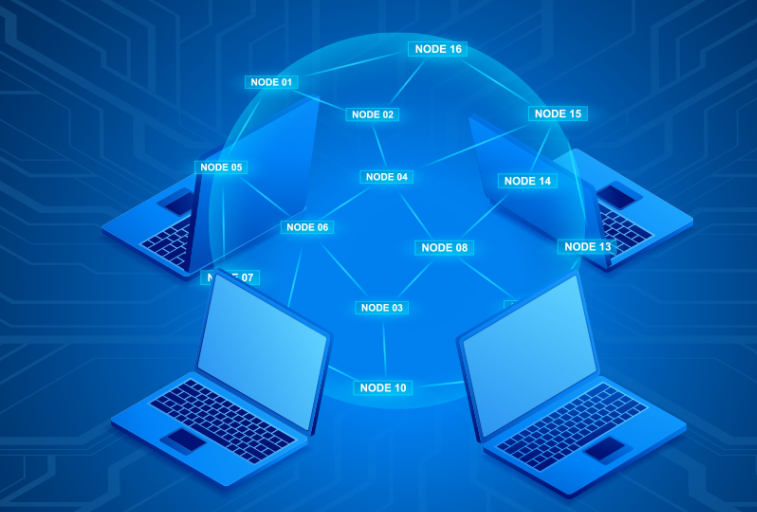
Blockchain nodes are fundamental entities in decentralized networks, tasked with maintaining a complete and synchronized copy of the blockchain. They utilize a peer-to-peer protocol to facilitate communication and transaction validation. Each node plays a critical role in ensuring compliance with consensus rules, which safeguards the integrity of the ledger. Understanding the various types of nodes and their specific functions reveals deeper insights into the overall security and efficiency of blockchain systems. What implications do these dynamics have for the future of decentralized technologies?
What Are Blockchain Nodes?
Blockchain nodes are fundamental components of a decentralized network, serving as the backbone that enables the functioning of blockchain technology.
Each node features a unique node architecture, responsible for maintaining a copy of the entire blockchain. Through peer connections, nodes interact and synchronize data, ensuring integrity and availability.
This decentralized framework empowers individuals, fostering a trustless environment conducive to freedom and autonomy.
See also: techjb
How Do Blockchain Nodes Communicate and Validate Transactions?
Nodes in a blockchain network communicate through a peer-to-peer protocol, allowing them to share and synchronize transaction data.
This facilitates efficient transaction propagation, as nodes rapidly relay new transactions to maintain a consistent ledger.
During this process, nodes validate transactions by verifying signatures and ensuring compliance with consensus rules, thereby fostering trust and integrity within the decentralized framework of the blockchain.
Types of Nodes and Their Functions
Within a blockchain network, various types of nodes play distinct roles that contribute to its overall functionality and resilience.
Full nodes maintain a complete copy of the blockchain, validating transactions and blocks, while lightweight nodes, or SPV nodes, rely on full nodes for data, enabling efficient transactions with minimal resource consumption.
Together, these nodes ensure decentralized integrity and accessibility across the network.
Why Do Nodes Matter for Blockchain Security?
Security in decentralized systems is fundamentally reliant on the roles played by nodes in a blockchain network.
Node vulnerabilities can jeopardize the integrity of the entire system, making the effectiveness of consensus mechanisms crucial.
Conclusion
In a world where centralization often reigns supreme, the irony lies in the fact that blockchain nodes—seemingly mere participants—are the very backbone of decentralized trust. By tirelessly validating transactions and upholding consensus, they embody a paradox: the more they operate as independent entities, the stronger the collective security becomes. Thus, while individual nodes may appear insignificant, their collaborative efforts ensure the integrity of the blockchain, reinforcing the notion that true power often resides in the most unassuming components.